
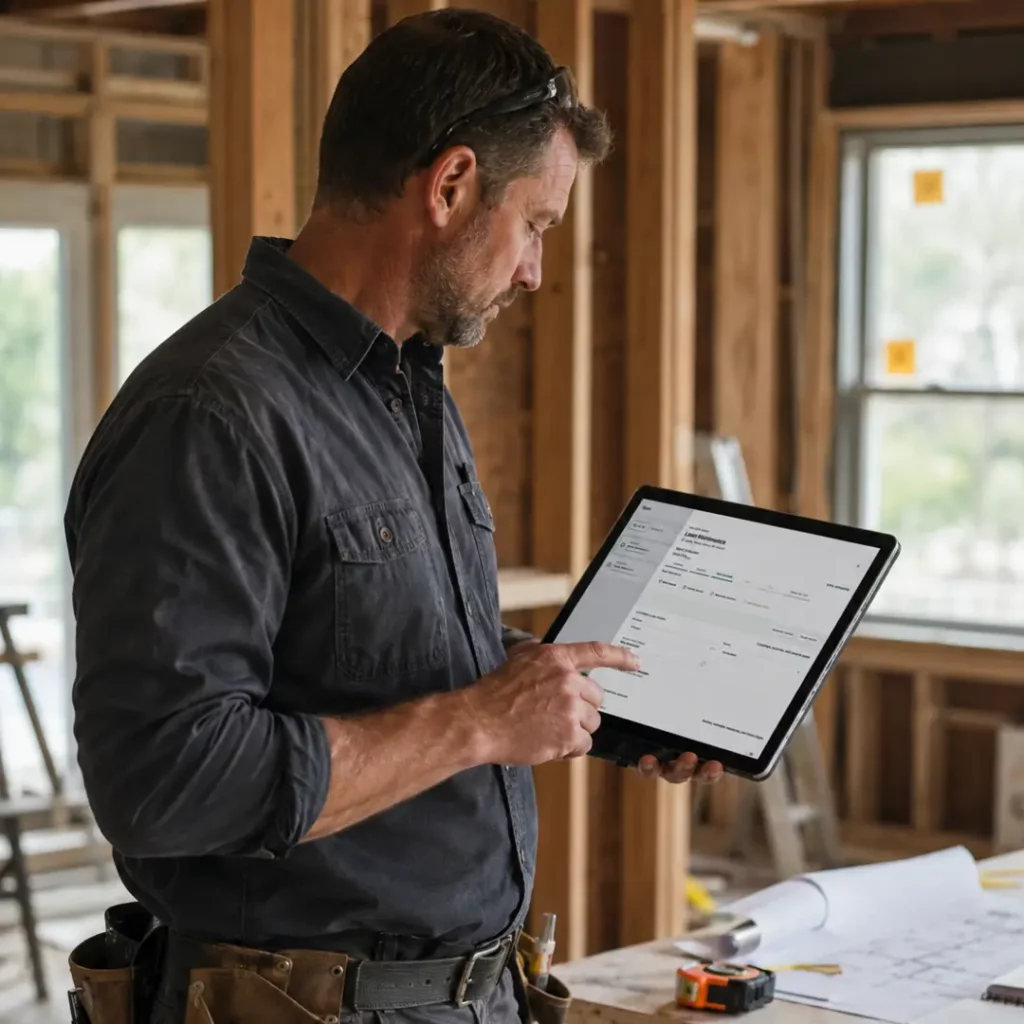
Creating a construction project closeout process is essential for ensuring that every project concludes smoothly and that all loose ends are tied up. A well-defined closeout process helps prevent disputes, ensures compliance with contractual obligations, and provides a clear record of project completion. This article outlines the steps involved in developing an effective closeout process, including documentation, final inspections, and communication with stakeholders.
What is a Construction Project Closeout Process?
The construction project closeout process involves the final steps taken to complete a project after construction activities have finished. This includes verifying that all work meets the required standards, ensuring all documentation is complete, and addressing any outstanding issues. A successful closeout process not only satisfies contractual requirements but also lays the groundwork for future projects and helps maintain good relationships with clients.
Why is a Closeout Process Important?
A thorough closeout process is crucial for several reasons:
- Compliance: Ensures adherence to legal and contractual obligations.
- Documentation: Provides a comprehensive record of the project, which can be important for future references or disputes.
- Client Satisfaction: A smooth closeout can enhance client relationships and lead to repeat business.
- Lessons Learned: Helps identify successes and areas for improvement for future projects.
Steps to Create a Construction Project Closeout Process
1. Develop a Closeout Checklist
A closeout checklist is a practical tool that outlines all necessary tasks to complete before a project is considered closed. Your checklist might include:
- Final inspections and approvals
- Completion of punch list items
- Submission of all warranties and manuals
- Final billing and payment processing
- Closure of permits and licenses
By having a checklist, you can ensure that nothing is overlooked during the closeout phase.
2. Conduct Final Inspections
Final inspections are critical to ensure that all work meets project specifications and regulatory requirements. Schedule a walkthrough with your project team and relevant stakeholders to review the completed work. This is the time to address any punch list items—those minor fixes that need to be completed before final acceptance.
For example, if you are closing out a commercial building project, ensure that all electrical systems are functioning correctly, all finishes are complete, and any landscaping is installed as per the project specifications.
3. Ensure Documentation is Complete
Documentation is a vital part of the closeout process. Make sure you have the following:
- As-built drawings
- Change orders and their approvals
- Final project budget and cost reports
- Warranties and maintenance agreements
- Inspection reports and certificates of occupancy
Having all documents organized and accessible will make it easier to address any future questions from clients or regulatory bodies.
4. Finalize Financials
Before closing out the project, ensure that all financial matters are settled. This includes finalizing invoices, processing payments, and ensuring that all subcontractors and suppliers have been paid. Review your job costing data to confirm that the project stayed within budget and identify any areas where costs may have exceeded expectations.
For instance, if you had unexpected costs due to change orders, document these for future reference, and consider how similar situations can be better managed in new projects.
5. Communicate with Stakeholders
Clear communication is key during the closeout process. Keep all stakeholders informed about the status of the project closeout, including clients, subcontractors, and team members. Schedule a final meeting to review the project outcomes, discuss any issues, and collect feedback. This fosters transparency and can help improve future projects.
For example, if a client has concerns about certain aspects of the project, addressing these during the closeout can mitigate potential disputes and lead to a more satisfied client.
6. Review and Reflect
After the project is closed, take the time to review the project as a whole. Gather your team to discuss what went well and what could be improved. Document these lessons learned, as they will be valuable for future projects. This reflection can help streamline future closeout processes and improve overall project management.
Common Mistakes to Avoid in the Closeout Process
- Neglecting Documentation: Failing to gather and organize necessary documents can lead to issues down the line.
- Inadequate Communication: Not keeping stakeholders informed can result in misunderstandings and dissatisfaction.
- Skipping Final Inspections: Overlooking final inspections can lead to unresolved issues and client dissatisfaction.
- Rushing the Process: Taking shortcuts in the closeout process can cause significant problems later.
How Can Contractor Management Software Help?
Using contractor management software like Taskavo can streamline your construction project closeout process. With features that connect project controls, documentation, and financials, you can ensure that each step of the closeout is tracked and managed effectively. For instance, you can create and manage your closeout checklist, store all project documentation in one place, and easily communicate with your team and stakeholders. This connectivity can significantly reduce the chances of oversight and improve overall project outcomes.
Frequently Asked Questions
What is included in the project closeout documentation?
Project closeout documentation typically includes as-built drawings, warranties, final inspection reports, certificates of occupancy, change orders, and financial records related to the project.
How long does the closeout process usually take?
The duration of the closeout process can vary significantly depending on the project size and complexity. It can take anywhere from a few days to several weeks. Planning and organization can help make this process more efficient.
Who is responsible for the closeout process?
The project manager typically oversees the closeout process, but it involves input and collaboration from various team members, including estimators, office staff, and field personnel.
What happens if issues are found during final inspections?
If issues arise during final inspections, they should be documented and addressed promptly. This may involve scheduling additional work or revisiting subcontractors to resolve any outstanding problems before project acceptance.
How can I ensure client satisfaction during the closeout process?
Maintain open lines of communication with your client throughout the closeout process, address any concerns they may have, and ensure that all work meets their expectations. A final walkthrough can also help reinforce their satisfaction with the completed project.
In conclusion, creating an effective construction project closeout process is essential for ensuring project completion and client satisfaction. By following the outlined steps and avoiding common pitfalls, you can improve your project closeout experience. Tools like Taskavo can assist by connecting all aspects of project management, making it easier to track progress and manage documentation. To learn more about how Taskavo can help streamline your contractor management processes, consider starting a trial or exploring the platform today.
Related Taskavo Resources
Run the Work With Taskavo
Taskavo helps contractors connect estimating, projects, field operations, teams, customers, job costing, change orders, invoicing, and day-to-day job visibility in one platform.
If this topic is part of a larger workflow problem in your business, Taskavo is built to keep the work connected from the first estimate through project completion.

 Sales · demos · product help · support