

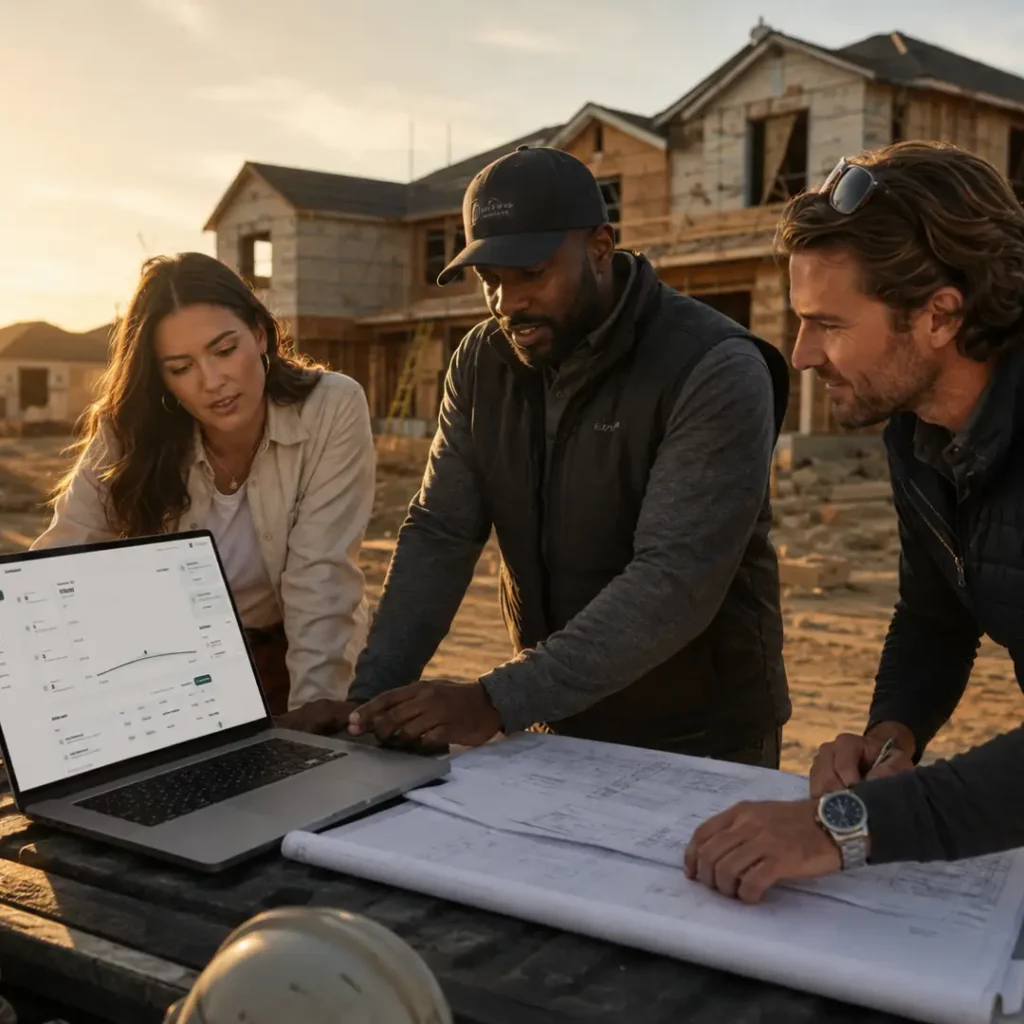
Effective Strategies for Managing Multiple Construction Projects
Managing multiple construction projects simultaneously can be a daunting task for any contractor. It requires careful planning, effective communication, and a solid grip on resources and timelines. Whether you’re juggling residential builds, commercial renovations, or service contracts, understanding how to streamline your operations can significantly impact your efficiency and profitability. This article will explore practical strategies for managing multiple construction projects and how contractor management software can support your efforts.
What Are the Key Challenges of Managing Multiple Projects?
When handling several construction projects at once, you may face numerous challenges:
- Resource Allocation: Ensuring that your labor, materials, and equipment are appropriately allocated can be complex, particularly if projects have overlapping timelines.
- Communication: Keeping everyone on the same page—from field teams to office staff—requires effective communication channels.
- Budget Management: Tracking expenses and budgets across multiple sites can lead to discrepancies if not managed properly.
- Time Management: Deadlines can easily slip if you do not have a clear overview of where each project stands.
How Can You Effectively Manage Multiple Projects?
Here are several strategies to improve your management of multiple construction projects:
1. Prioritize and Plan
Start by prioritizing your projects based on deadlines, complexity, and resource needs. Create a master schedule that outlines each project’s key milestones and deliverables. This will help you visualize your workload and determine where to focus your attention.
For example, if you have a commercial project that needs to be completed in three months and a residential project that can extend to six months, allocate your resources accordingly. This not only helps you manage your current workload but also allows you to prepare for upcoming projects.
2. Utilize Project Controls
Implementing project controls is crucial for maintaining oversight across multiple jobs. This includes tracking progress, managing budgets, and ensuring that all stakeholders are informed. A project controls system can help you identify potential risks and delays early on, allowing you to take corrective action before issues escalate.
For instance, if you notice that a subcontractor is falling behind on a critical task, you can adjust other schedules or allocate additional resources to avoid a bottleneck.
3. Streamline Communication
Effective communication is vital. Establish clear lines of communication among your teams, clients, and subcontractors. Regular check-ins and updates can prevent misunderstandings and keep everyone aligned. Consider using shared digital platforms where project updates, timelines, and documentation can be accessed by all relevant parties.
For example, using a project management tool can centralize information, making it easier for field technicians to report progress and for project managers to respond to issues in real time.
4. Leverage Technology
Using contractor management software can significantly simplify the process of managing multiple projects. Such software can integrate estimating, project controls, scheduling, and invoicing into one platform. This connection allows for better visibility and control over every aspect of your projects.
For instance, Taskavo allows you to manage job costing, track labor and time, and handle change orders all in one place, reducing the chances of oversight and error.
5. Monitor Budgets and Costs
Keep a close eye on the budgets for each project. Regularly update your financial records to reflect any changes, such as unexpected expenses or delays. This will allow you to identify projects that are straying from their budget early on.
Using budget tracking features in contractor management software can help you stay on top of expenses and make informed decisions about resource allocation.
6. Implement a Feedback Loop
After completing each project, gather feedback from your team and clients. This can provide valuable insights into what worked well and what could be improved for future projects. Use this information to refine your processes and enhance your efficiency.
What Common Mistakes Should You Avoid?
Avoiding common pitfalls can save you time and resources. Here are a few mistakes to steer clear of:
- Neglecting Documentation: Failing to document changes, communications, and decisions can lead to confusion and disputes down the line.
- Underestimating Time Frames: Always allow for contingencies in your timelines. Projects rarely go exactly as planned.
- Ignoring Team Input: Your crew on the ground often has the best insights into the challenges and needs of a project. Regularly solicit their feedback.
How Can Contractor Management Software Help?
Using integrated contractor management software like Taskavo can streamline your operations significantly. By connecting estimating, project controls, and invoicing in one platform, you can maintain an organized overview of all your projects. For instance, you can quickly generate accurate estimates based on real-time data, helping you make informed decisions about resource allocation.
Additionally, features such as job costing and budget tracking allow you to monitor expenses closely, ensuring that you stay on target financially across all projects.
Frequently Asked Questions
1. How can I improve communication on my job sites?
Establish a centralized communication platform where team members can access project updates and share information easily. Regular check-ins and updates can also help keep everyone aligned.
2. What should I prioritize when managing multiple projects?
Focus on resource allocation, project timelines, and budget management. Prioritizing these aspects will help you maintain control over your projects and meet deadlines.
3. How can I handle unexpected delays?
Have contingency plans in place for each project. This may involve reallocating resources or adjusting timelines as soon as you identify a potential delay.
4. What is the best way to track project budgets?
Use contractor management software that includes budget tracking features. Regularly update your financial records to reflect any changes and monitor your expenses closely.
5. How can I ensure quality across all projects?
Implement quality control measures and feedback loops. Regularly gather input from your team and clients to identify areas for improvement.
Managing multiple construction projects can be complex, but with careful planning, effective communication, and the right tools, you can streamline your operations and improve efficiency. Contractor management software like Taskavo can provide the support you need to connect all aspects of your projects, from estimating to invoicing, ensuring that you stay on track and within budget.
To learn more about how Taskavo can help you manage your construction projects more effectively, explore the platform or start a trial today.
Related Taskavo Resources
Run the Work With Taskavo
Taskavo helps contractors connect estimating, projects, field operations, teams, customers, job costing, change orders, invoicing, and day-to-day job visibility in one platform.
If this topic is part of a larger workflow problem in your business, Taskavo is built to keep the work connected from the first estimate through project completion.